

EN
Thin-wall food packaging, milk tea cups, fresh-keeping containers and disposable lunch boxes generally feature wall thickness ranging from 0.3 mm to 1.2 mm. With rapid melt cooling and long mold flow paths during molding, manufacturers commonly face mass-production defects including short shots, flash, warpage and inconsistent wall thickness. Five core performances of injection molding machines — injection, clamping, hydraulic, temperature control and electric control — directly govern product yield, molding cycle and overall production cost.
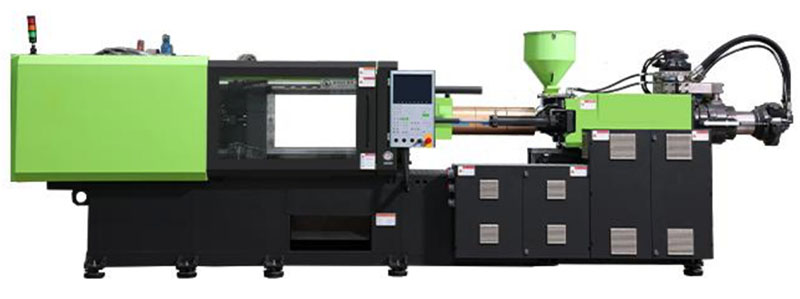
Tailored to pain points of thin-wall packaging production, Lisong’s specialized thin-wall injection molding machines deliver tangible production advantages via comprehensive structural and component optimization, emerging as the preferred equipment for large-scale thin-wall packaging manufacturing.
1. Ultra-high-speed Injection System: Solve Core Difficulty of Thin-wall Filling
Ultra-fast filling within milliseconds is essential for thin-wall molding to avoid incomplete filling, flow marks and poor weld lines caused by premature melt solidification.Lisong thin-wall machines are equipped with high-speed injection units featuring a maximum injection speed of 5 0 0 mm/s ,PP resins to fully fill long and narrow thin-wall cavities before cooling, fundamentally eliminating incomplete corners on lunch boxes and fresh food containers.
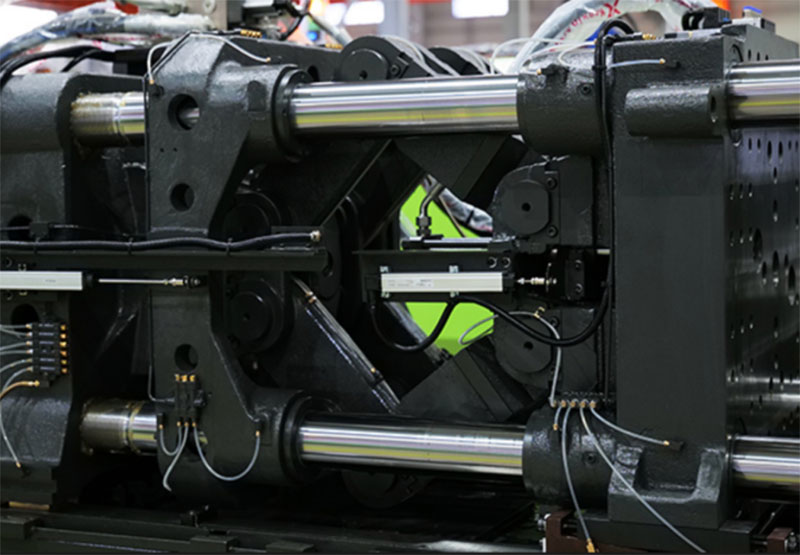
2. High-rigidity Clamping Structure: Prevent Flash and Product Warpage
High-pressure high-speed injection generates massive mold opening force. Insufficient clamping rigidity leads to split parting lines, flash and uneven wall thickness across finished parts.Lisong thin-wall machines adopt thickened high-rigidity frame plus optimized direct clamping design. Precision heat-treated tie bars and platens ensure excellent platen parallelism and uniform clamping force transmission with minimal platen deformation under high injection pressure. Consistent cavity stress across multi-cavity molds (8-cavity, 1 2-cavity and more) stabilizes product single weight tolerance and greatly reduces uneven wall thickness and edge flash.The large mold mounting space is compatible with high-efficiency multi-cavity molds to boost single-machine output and satisfy bulk order demands in peak production seasons.
3. Full-servo Hydraulic Drive: Stable Molding & Energy Conservation
Equipped with high-response full closed-loop servo drive system, Lisong machines outperform conventional fixed-displacement pump units prone to performance degradation from rising oil temperature. The servo system dynamically adjusts flow and pressure per real-time load to maintain steady oil temperature, stabilizing molding parameters and uniform product quality throughout morning, noon and night shifts.High-precision cartridge valves enable millisecond-level response and prevent pressure drop during injection, eliminating thinning or sink marks on far-end positions of long-flow thin-wall containers.Optimized hydraulic circuit together with servo technology cuts power consumption by 2 5%~3 5% versus standard machines, drastically lowering long-term electricity expenditure and shortening equipment payback period, complying with manufacturers’ cost reduction and eco-friendly production goals backed by national green manufacturing certifications.
4. Precise Constant-temperature Control System: Avoid Material Degradation and Poor Plasticization
Resins for thin-wall packaging have narrow processing temperature windows; minor temperature fluctuation causes yellowing, brittleness and insufficient filling.Lisong applies nano infrared energy-saving heater bands and independent zonal barrel temperature control with accuracy of ±1℃ for fast heating and low heat loss, locking resins within optimal melting range. Independent nozzle temperature control prevents nozzle freeze-up, eliminating gate stringing and cold speck defects.
5. Versatile Compatibility to Empower Full-range Thin-wall Packaging Production
Benefiting from over 4 0 injection molding patents and R&D strengths from international expert teams, Lisong dedicated thin-wall machines support diverse applications: PP lunch boxes, disposable milk tea cups, ultra-thin sauce containers and biodegradable eco-friendly packaging. The equipment is capable of molding ultra-thin products down to 0.2 mm wall thickness as well as large-capacity thin-wall takeout boxes.
From standalone machines to turnkey smart factory solutions, Lisong addresses core thin-wall molding challenges via five key performance strengths, helping packaging manufacturers upgrade production in higher quality, faster cycle, less material waste and lower energy cost, and becomes a mainstream equipment choice for domestic food thin-wall packaging producers.
