EN
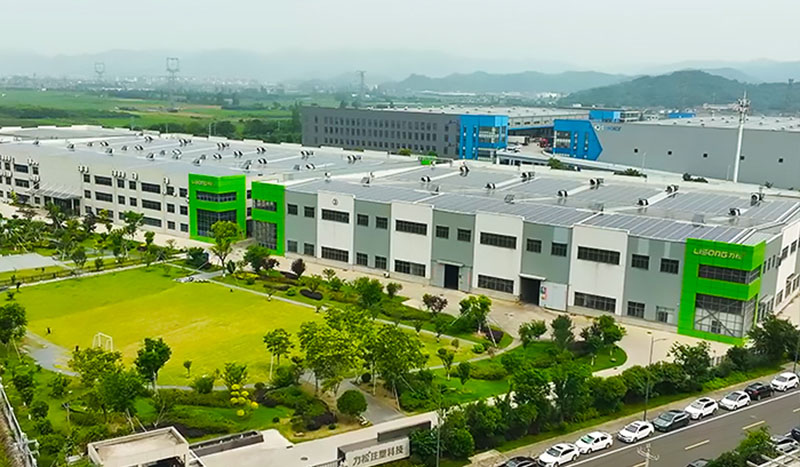
The bucket heating system of an injection molding machine has long been a "silent energy guzzler" within the workshop environment. Traditional resistance-wire heating bands transfer heat to the bucket via contact conduction; however, their thermal efficiency is constrained by the fit of the contact surfaces and the presence of air gaps, resulting in a significant portion of electrical energy being lost to the workshop environment through convective heat transfer. For production lines involving the continuous molding of buckets and containers, this cumulative energy loss constitutes a hidden cost that cannot be ignored. By introducing infrared nano-heating bands into its series of specialized bucket-molding machines, Ningbo Lisong Injection Molding Technology has addressed this issue directly at the heating stage, offering bucket manufacturers a quantifiable pathway toward energy conservation. In the context of bucket injection molding, the uniformity of the melt temperature serves as the cornerstone for ensuring product consistency. Whether it concerns the drop strength of chemical drums, the hygienic integrity of food-grade packaging containers, or the mold-filling completeness of thin-walled buckets, every critical performance metric hinges on the prerequisite that the plastic granules within the bucket are uniformly plasticized. Traditional resistance-wire heating bands, after a period of use, are prone to developing localized "hot spots" or "cold zones" due to oxidation or loosening connections, causing the melt temperature to fluctuate in an erratic, wave-like pattern. In contrast, the infrared nano-heating bands integrated into Ningbo Lisong's systems leverage the physical properties of radiant heating to offer a novel approach to achieving uniform temperature field control.
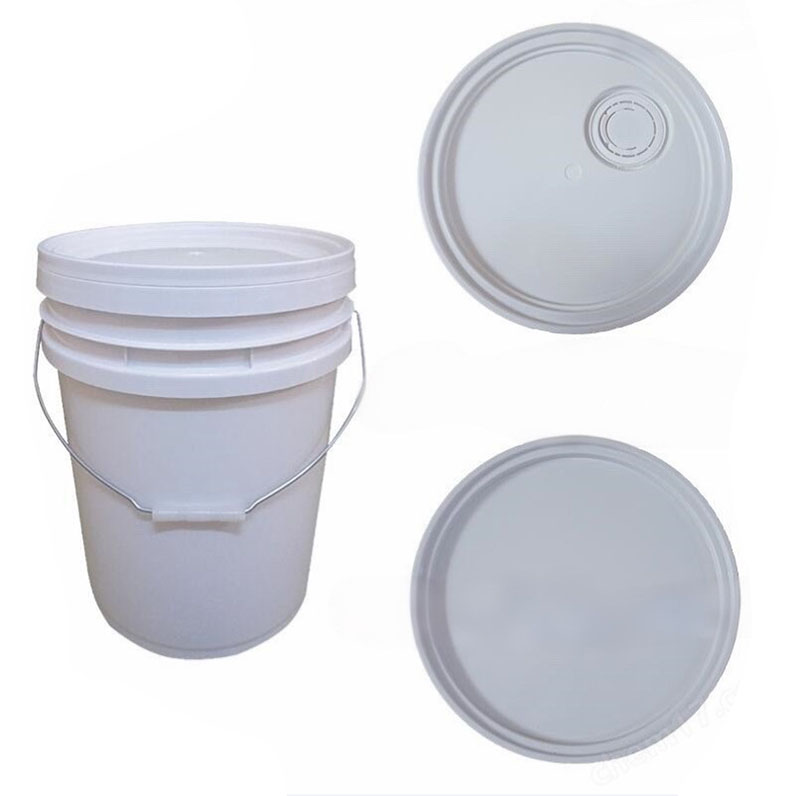
The radiant tubes within the infrared nano-heating bands generate a highly uniform field of far-infrared radiation, ensuring that the bucket surface receives heat across a broad surface area rather than in isolated linear or point-specific zones. This design ensures that temperature differentials—even across the circumference of a single section of the bucket—are confined within a very narrow range. For bucket production utilizing raw materials such as high-impact PP or formulations containing recycled plastics, this uniform heating capability helps prevent localized thermal degradation caused by overheating, as well as issues related to insufficient plasticization, thereby ensuring the melt achieves an optimal level of temperature uniformity before entering the mold.
The operating principle behind the infrared nano-heating bands is straightforward, yet the energy conversion pathway is significantly more efficient than that of traditional solutions. The system generates thermal energy via high-resistance heating wires, which is then converted into far-infrared radiation by specialized radiant tubes and applied directly to the bucket surface through radiative heat transfer. This non-contact heat transfer mechanism effectively minimizes energy loss during the transmission process. According to standard industry data, the thermal efficiency of far-infrared radiant heating typically represents a significant improvement over traditional resistance-wire heating. When combined with the "on-demand oil supply" logic of the Lisong servo drive system, the energy consumption profile of the entire machine—during both the preheating and heat-retention phases—can be effectively optimized.
For business owners, this improvement in heating efficiency yields an additional indirect benefit: reduced costs for controlling ambient workshop temperatures. Many bucket manufacturing facilities require the installation of high-power cooling equipment during the summer months to counteract the heat generated by machinery. However, infrared nano-heating bands feature relatively lower surface temperatures, thereby reducing the amount of waste heat radiated into the surrounding environment and, consequently, improving the thermal comfort experienced by workers. This cascading energy-saving effect serves as a compelling advantage for business owners when evaluating total lifecycle operating costs. By offering this technology as a standard configuration option for its bucket-series machinery, Lisong demonstrates its deep commitment to the philosophy of "meticulous efficiency" within the Bucket manufacturing sector.