

EN
Having worked in the packaging injection molding industry for many years, I have seen too many franchisees take detours in equipment selection—some opt for low-cost equipment only to face insufficient production capacity, while others blindly pursue high-end models but struggle to recoup their investment. Recently, I came across a precision thin-wall packaging dedicated injection molding machine that perfectly aligns with the needs of franchisees, and its advantages in terms of profitability are worth in-depth discussion.
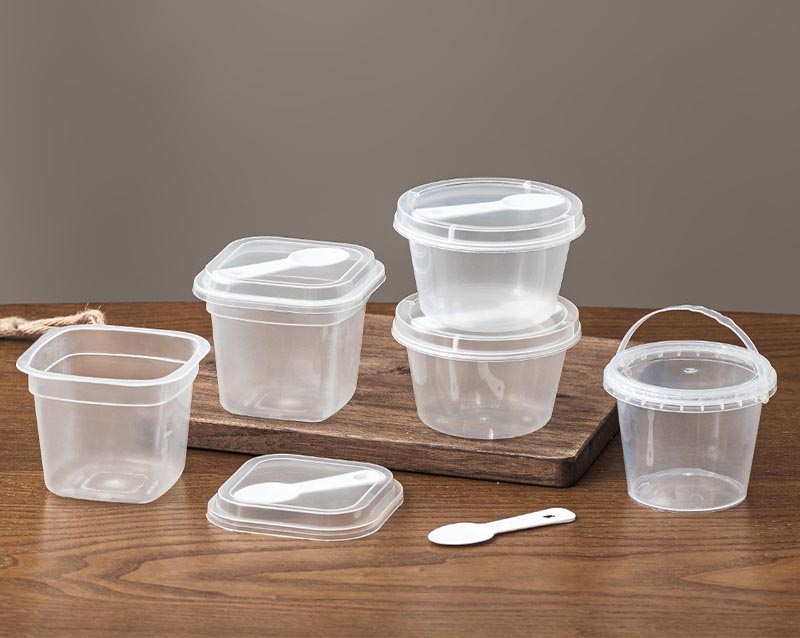
For franchisees, the core value of equipment ultimately boils down to "making money," which inevitably revolves around three key dimensions: production efficiency, energy consumption costs, and product qualification rate. The high-speed injection and rapid cycling capabilities that this dedicated injection molding machine focuses on precisely address the core pain points of the thin-wall packaging industry. Most thin-wall packaging products such as thin-wall containers and fast food boxes are fast-moving consumer goods with large order volumes and tight delivery cycles. The cycling speed of ordinary injection molding machines often fails to meet large-scale production needs, while high-speed injection capabilities can directly increase output per unit time, helping franchisees undertake more orders within a limited time and expand their revenue scale.
Energy consumption costs are a significant long-term operating expense for franchisees. Especially against the backdrop of fluctuating energy prices, the importance of energy-saving features has become increasingly prominent. The energy-saving and precision characteristics emphasized by this equipment can not only reduce the energy consumption cost per unit product but also minimize heat loss during operation, extend the service life of core components, and indirectly lower maintenance costs. From a long-term operational perspective, the cost saved in this regard will be converted into tangible profit margins, giving franchisees a competitive edge in price competition.
It is worth noting that this equipment is specifically designed for precision thin-wall packaging rather than a modified version of a general-purpose injection molding machine. The advantages of dedicated models in mold adaptability and molding precision can effectively improve the product qualification rate and reduce waste generation. For franchisees, a lower waste rate means savings in raw material costs, and an increased proportion of qualified products can also reduce return and rework losses caused by quality issues, ensuring the stability of cooperative customers.
From the perspective of market demand, with the rapid development of industries such as food packaging and fresh food delivery, the market demand for thin-wall packaging products continues to grow, providing franchisees with broad market space. This dedicated injection molding machine with high-speed, energy-saving, and precision characteristics can help franchisees better match market demand and enhance their ability to serve customers. For franchisees looking to enter the packaging injection molding industry, choosing a dedicated equipment with precise positioning and stable performance lays a solid foundation for subsequent operations and reduces market risks.
