

EN
By 2026, the polyester (PET) packaging industry, particularly for beverage bottles, is poised for a revolution. This transformation will be fueled by the synergistic advancement of next-generation high-speed PET injection molding machines and the innovative bottles they produce. The core themes shaping this future are unprecedented efficiency, intelligent manufacturing, and a deep commitment to the circular economy.
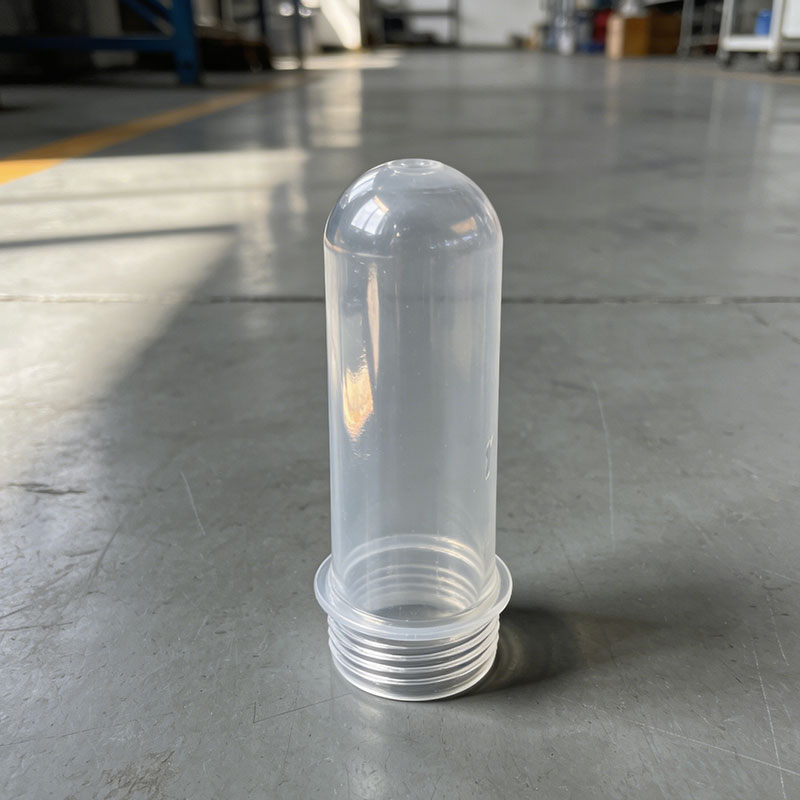
The driving force will be the evolution of high-speed PET preform injection molding machines. The pursuit of speed will reach new heights, with cycle times for standard preforms targeting below 8 seconds. This leap will be enabled by advanced drive systems and rapid plasticizing units. More importantly, these machines will become hubs of "Industry 4.0" intelligence. Integrated with AI and IoT sensors, they will perform real-time monitoring and predictive adjustments, ensuring consistent quality even when processing challenging materials like high-content recycled PET (rPET). Sustainability will be engineered into their core through superior energy recovery systems and designs optimized for processing 100% rPET or bio-based PET, minimizing both carbon footprint and operational costs.
These intelligent machines will manufacture the PET beverage bottle of 2026—a product redefined for a new era. Lightweighting will evolve into "Lightweighting 2.0," leveraging smart design and simulation to optimize material distribution and push weights to new lows. Functionality will increase; bottles may incorporate active barrier technologies (e.g., plasma coating) for sensitive products and smart features like digital watermarks for enhanced traceability and consumer engagement. However, the most pivotal trend will be the full embrace of circularity. Bottles will be designed for recycling from the start, using mono-materials and recycling-friendly colors. The use of high percentages of food-grade rPET will shift from an aspiration to the norm for most still beverages, driven by brand commitments and regulatory pressures.
The path to 2026 is not without challenges. It requires seamless convergence between machine precision and bottle design, especially for ultra-lightweight or rPET-heavy preforms. The largest hurdle remains building a robust, high-quality global supply chain for food-grade rPET to feed these efficient production lines. Success depends on synchronized advancements in recycling infrastructure and regulatory harmonization worldwide.
In conclusion, the PET landscape in 2026 will be defined by responsible innovation. Manufacturing will become faster and smarter, while the humble bottle will transform into a high-performance, sustainable packaging solution. Companies that invest in this integrated technological future—prioritizing data-driven efficiency, material flexibility, and circular design—will not only lead the market but also turn sustainability into their greatest competitive advantage. The future of PET is about creating greater value with less environmental impact.
