

EN
Walk into any supermarket, and the shelves are filled with bottled water, beverages, and cooking oil—almost all of them produced through a highly automated line known as the injection-blow-fill-cap process. These four steps represent: preform injection, blow molding, filling, and capping. The entire line runs seamlessly, from PET raw material feeding to finished bottled products leaving the factory, with virtually no interruption.
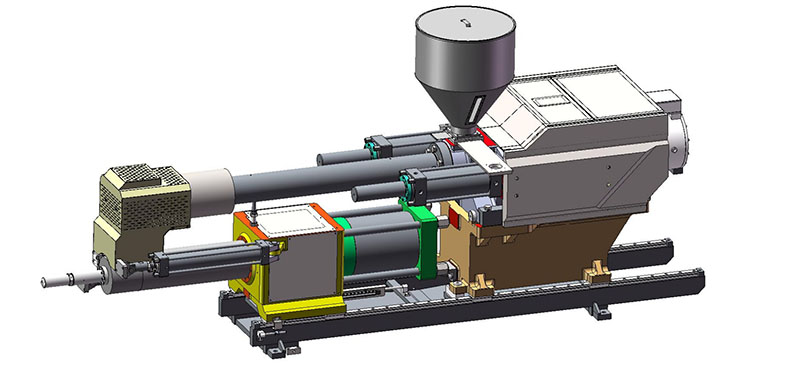
In this high-speed line, the first step-injection-is the starting point and the most critical link. The quality of the preform directly determines whether the subsequent blow molding will produce a uniformly shaped bottle, whether the filling will seal properly, whether the cap will tighten securely, and ultimately whether the final product on the shelf will be rejected by consumers due to bursting or leakage. In essence, the preform is the "genetic code" of the entire line. If the genetic code is flawed, no amount of fast blow molding or precise filling can compensate.
So, what kind of PET injection molding machine is needed to produce high quality preforms?
First, preforms are most vulnerable to uneven wall thickness and concentricity deviation. These issues cause the bottle to have uneven stress distribution during blow molding, leading to thin spots that easily deform, or worse, bursting during filling or transportation. Lisong’s direct-pressure clamping structure distributes the clamping force evenly from the center of the platen outward, minimizing platen deformation so that every cavity receives exactly the same locking force. Whether it is a 48-cavity or 144-cavity mold, every preform achieves highly consistent wall thickness and concentricity, providing the perfect parison for subsequent blow molding.
Second, the entire injection-blow-fill-cap line pursues ultimate efficiency. Blow molding, filling, and capping are becoming increasingly faster. If the injection step cannot keep up, the entire line must slow down. Lisong’s independent twin-screw injection structure allows plasticization and injection to occur simultaneously-while the injection screw injects one shot of melt, the plasticizing screw is already preparing material for the next shot, eliminating waiting time. Combined with servo-motor-driven electric storage, the metering action is quicker and more energy-efficient, ensuring that the injection pace perfectly matches the high-speed rhythm of the downstream processes.
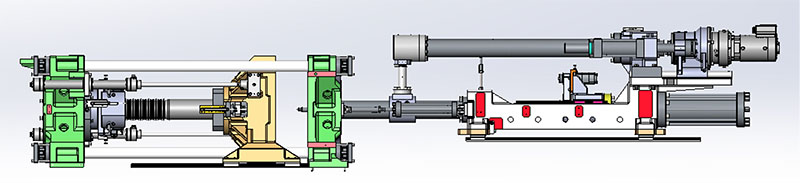
Third, food safety is the lifeline of bottled products. Lisong’s all-electric control system, progressing from 1e to 5e, drives all five core actions with servo motors, completely eliminating the risk of hydraulic oil leakage. The clamping area features a maintenance-free design with no lubricant contamination, ensuring preform cleanliness from the source. For PET bottles that come into direct contact with beverages, this level of cleanliness is non-negotiable.
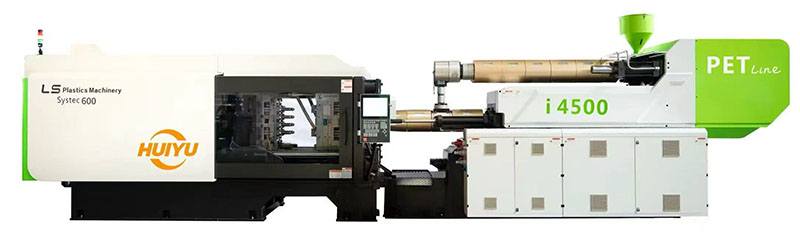
Lisong’s PET injection molding machine secures quality with direct-pressure clamping, aligns with production line rhythm with the twin-screw structure, and guarantees food safety with all-electric control. Every preform it produces is the foundation for the efficient and stable operation of the entire injection-blow-fill-cap line. From raw material to store shelf, Lisong safeguards the most critical first step for every bottle of water.
